How to Organize a Small Kitchen Without Buying Expensive Storage
Explore another practical home organization guide.
Home Organization
Safety comes before visual neatness in a cleaning-supply area.
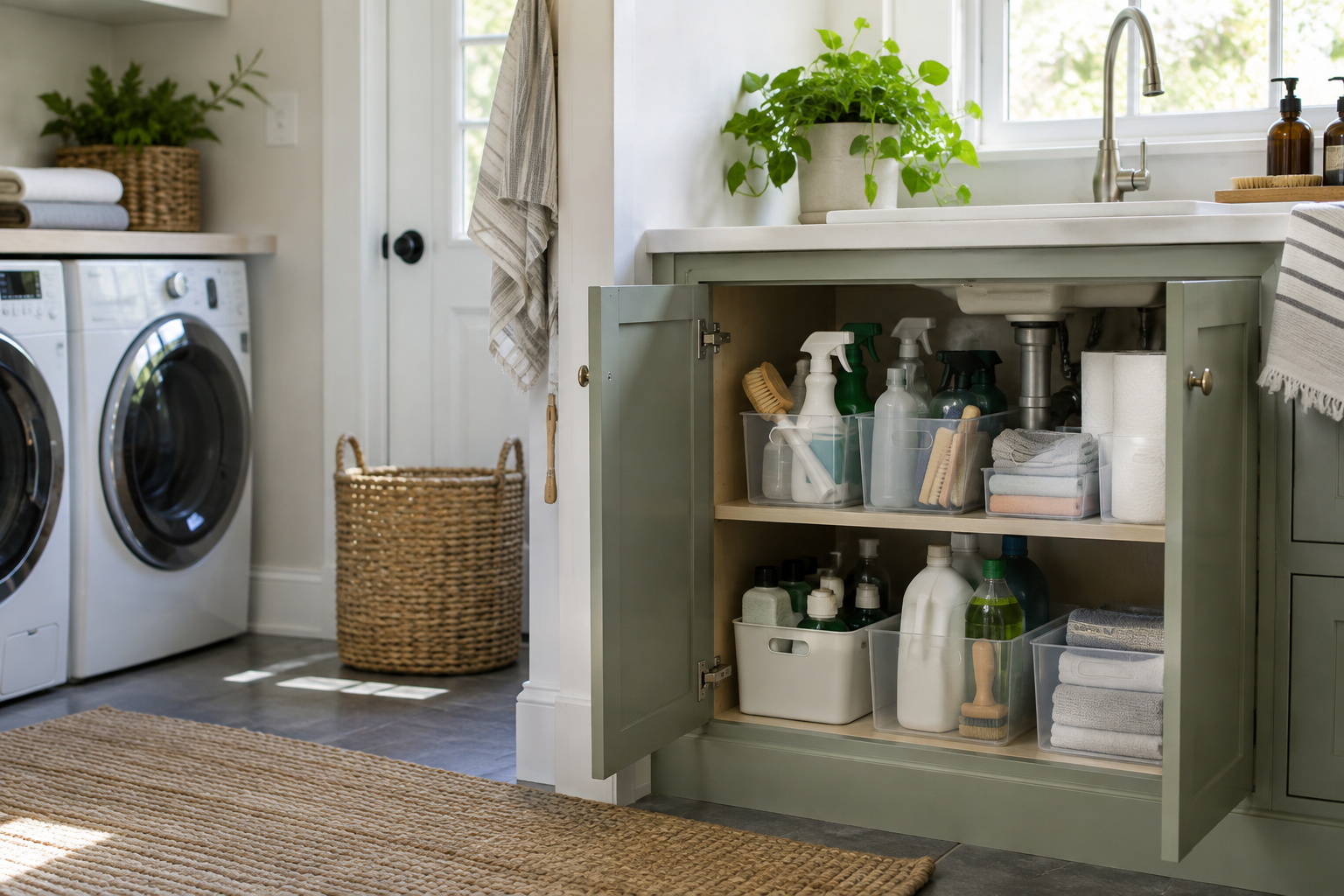
Most projects go better when the first move is a quiet one. With Organize Cleaning Supplies Safely at Home, begin by looking at what is already happening: watch where items land during an ordinary weekday and how often they are actually used. A few minutes of looking closely can save an afternoon of rework.
Keep the focus on safe storage and a practical cleaning kit. A quick note, measurement, or before photo can make the next choice clearer and prevent a purchase you do not need.
Pick one outcome you can actually see when you are done. For Organize Cleaning Supplies Safely at Home, that might be a safer setup, an easier routine, or a space that works better on a normal day.
Before you begin, measure the available space and ask whether the setup will still work on a busy morning. If a label, local rule, lease, or manufacturer instruction says something different, follow that instead. For Organize Cleaning Supplies Safely at Home, this is the check that keeps a small task from becoming a costly one.
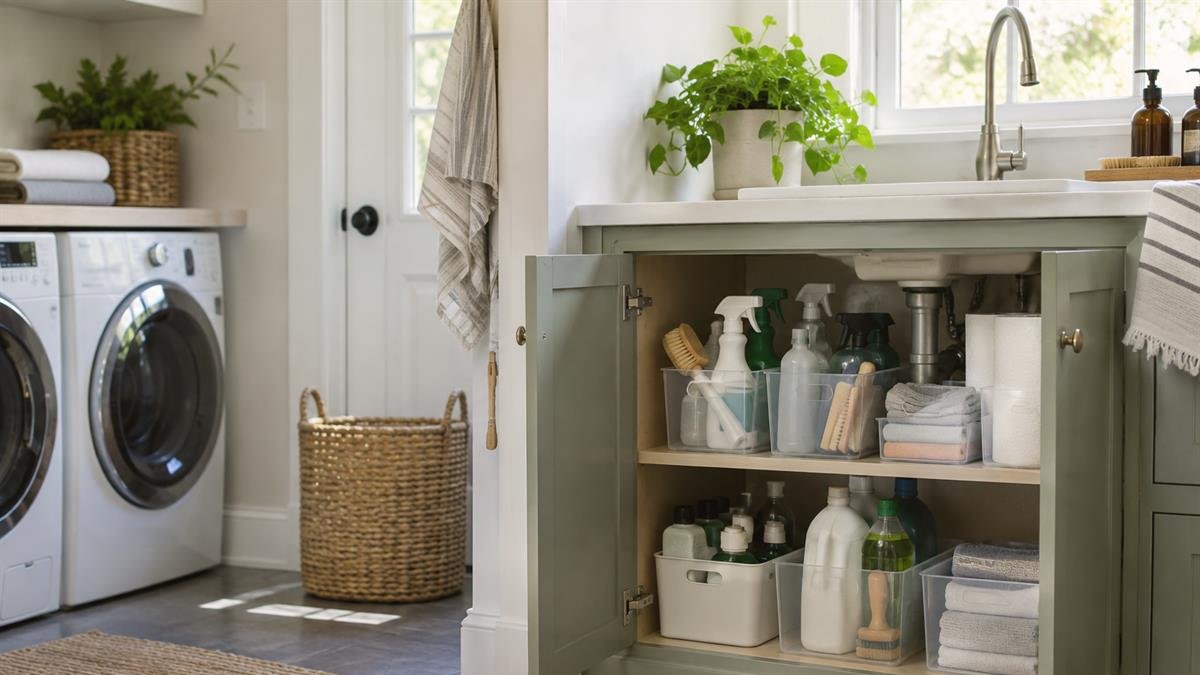
Start with the items you reach for most; they deserve the easiest access. As you work on Read labels, keep safe storage and a practical cleaning kit in mind and adjust to what the space is telling you.
Test the new spot for a few days before buying another basket or divider. As you work on Separate incompatible products, keep safe storage and a practical cleaning kit in mind and adjust to what the space is telling you.
Keep one category together so no one has to guess where it belongs. As you work on Use a secure location, keep safe storage and a practical cleaning kit in mind and adjust to what the space is telling you.
Leave a little empty space; a system with no breathing room falls apart quickly. As you work on Keep original containers, keep safe storage and a practical cleaning kit in mind and adjust to what the space is telling you.
Make the reset simple enough that another person can follow it without instructions. As you work on Make a small portable caddy, keep safe storage and a practical cleaning kit in mind and adjust to what the space is telling you.
| What to assess | Useful decision | Reason to pause |
|---|---|---|
| Current condition | Document the starting point for Organize Cleaning Supplies Safely at Home | Damage, unsafe materials, or an unknown finish |
| Tools and products | Use only items suited to safe storage and a practical cleaning kit | Missing instructions, incompatible materials, or expired products |
| Result after the first change | Continue only when the response matches the plan | Staining, instability, plant stress, or a result that creates more work |
The easy mistake is to rush past the first observation. For Organize Cleaning Supplies Safely at Home, avoid buying storage before measuring, hiding daily items, or creating categories that are too fussy to maintain. Small corrections are usually cheaper and kinder to the space than a dramatic fix later.
A helpful habit: Take one photo or jot down one observation before you start. That tiny record will make the next round of Organize Cleaning Supplies Safely at Home much easier.
You are on the right track when you see less searching, clearer surfaces, and a reset that takes minutes rather than a whole weekend. That matters more than a perfect photo; it means the change is likely to hold up in everyday life. For Organize Cleaning Supplies Safely at Home, let those signs guide the next small decision.
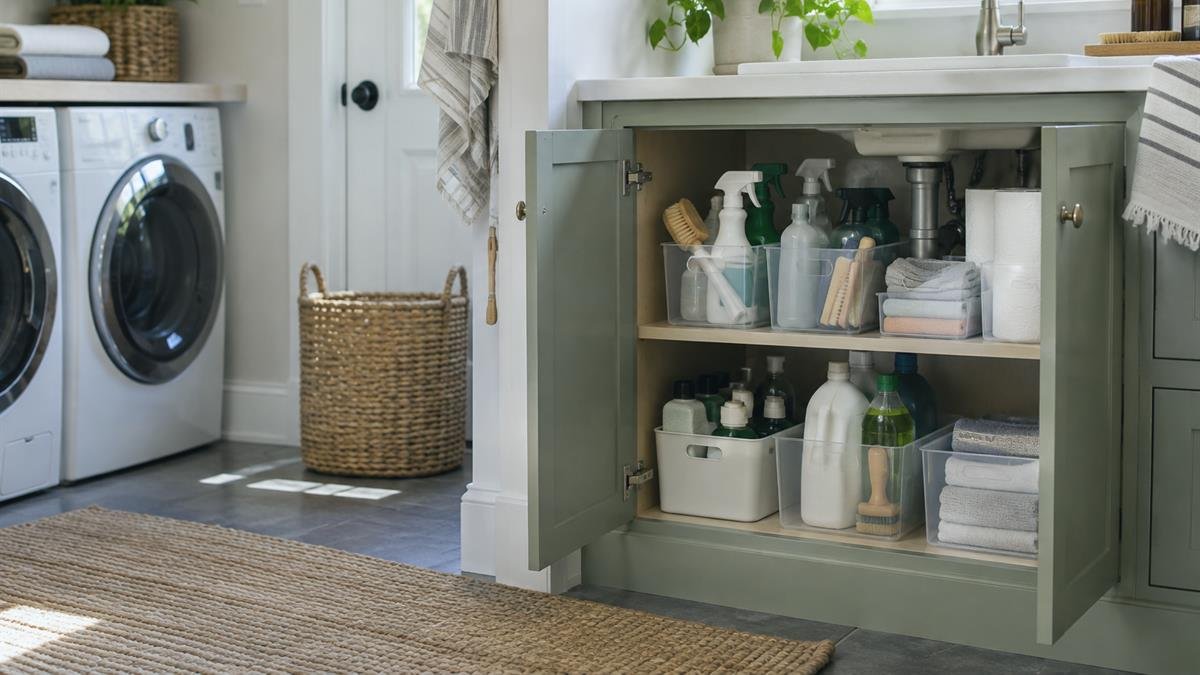
For Organize Cleaning Supplies Safely at Home, start by watching where items land during an ordinary weekday and how often they are actually used. That gives you a more honest picture than a generic checklist.
Look for less searching, clearer surfaces, and a reset that takes minutes rather than a whole weekend. If you are unsure, change one thing, wait, and look again before adding more work. For Organize Cleaning Supplies Safely at Home, that is a better signal than a rushed before-and-after.
Stop for safety risks, unknown damage, electrical work, gas, structural changes, major plumbing, or any condition you do not understand well enough to handle safely. For Organize Cleaning Supplies Safely at Home, stopping early is usually the safest choice.
Give the result a little time. The best version of Organize Cleaning Supplies Safely at Home is the one that still feels sensible next week, after the weather changes, the room gets busy, or the routine slips for a day.